 EMERGENCY


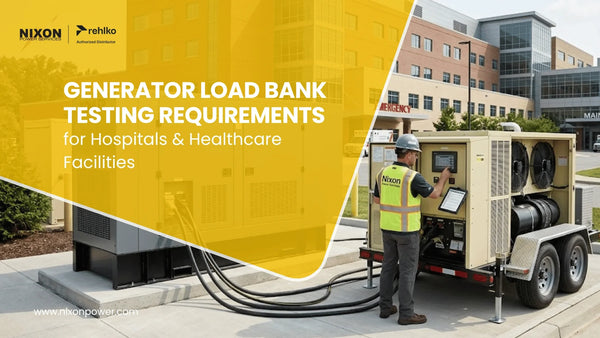
Hospitals in Oklahoma face a real and constant challenge when the power goes out. For many patients, every second matters. According to Definitive Healthcare, with more than 169 healthcare facilities across the state, outages caused by storms, heatwaves, or grid issues are a real concern.
For doctors and nurses, even a few seconds without power can cause serious problems with ventilator operation, monitoring vital signs, and keeping systems online. Rehlko hospital generators in Oklahoma (OK) are becoming a trusted part of how many healthcare facilities prepare for outages. These systems are designed to respond quickly and keep essential operations running.
Why Backup Generators Matter in the Healthcare Industry?
Unlike other industries, downtime in the healthcare industry is measured not only by lost productivity but also by risk to human life. Emergency power systems for healthcare are designed to bridge the gap between utility failure and restoration.
Powering Life-Saving Medical Equipment
Life-support and monitoring devices need continuous power. Equipment such as ventilators, dialysis machines, cardiac monitors, and surgical tools cannot simply be shut off and restarted later. They need constant power. Without it, patients in critical condition can deteriorate within minutes.
For example, if a patient in an ICU is on a ventilator during a storm-related outage. If the power cuts out without a backup system, staff must immediately rely on manual intervention. A properly sized generator helps prevent that situation and keeps equipment running.
There have been cases where backup generators kept intensive care units operational during outages. In those moments, doctors and nurses could focus on patient care rather than reacting to a power failure.

Sustaining the Care Environment
Hospitals rely on more than medical devices. Lighting, elevators, HVAC systems, and security all play a role in patient safety and daily operations. Suppose a patient is being moved from the emergency room to surgery when the power goes out. Elevators stop, hallways go dark, and climate control fails. A reliable backup system helps prevent these disruptions.
The building stays functional, and care continues as expected. That’s why many facilities invest in industrial backup generators for hospitals that can support both clinical and non-clinical systems simultaneously.
Protecting Digital Systems and Patient Records
Today’s hospitals rely heavily on digital systems. Patient records, imaging systems, lab results, and internal communication all run through servers and networks. Suppose a hospital loses power while doctors are reviewing a patient’s imaging results before surgery.
A sudden shutdown could corrupt files or delay access to important information. Backup generators keep systems online, helping staff continue their work without disruption and protecting sensitive data. This is a major part of emergency power systems for healthcare, especially as hospitals become more dependent on electronic records.
Meeting Regulatory Requirements
Hospitals are required to prepare for emergencies, including power failures. Standards from organizations like CMS and NFPA outline what facilities must have in place. NFPA 110 emergency power system hospitals requirements explain how emergency power systems should be installed and maintained. On the other hand, the CMS emergency preparedness rule for generators guidelines requires hospitals to have reliable backup power for critical operations.
They are part of hospital standby generator requirements that ensure critical systems stay operational during outages. Facilities must also regularly test and maintain these systems to remain compliant.
Providing Reassurance During Uncertain Moments
Power outages can quickly create tension across the hospital. Staff need to stay focused, patients need stability, and families want reassurance. Consider a scenario where a hospital loses utility power during a busy evening. Without a backup system, uncertainty spreads quickly.
With a dependable generator in place, the transition is often smooth and minimally disruptive. Lights stay on, machines keep running, and care continues without pause. That level of consistency allows medical teams to do their jobs without distraction and helps patients feel secure, even during unexpected events.

Hospital Backup Generator Strategy for Continuous Patient Care
Planning for backup power is an important part of maintaining hospital operations during outages. A clear generator strategy usually includes:
-
Strategic Generator Selection: Choose an industrial generator that matches the hospital’s actual load requirements and long-term usage. Healthcare facilities can work with experienced generator dealers in Oklahoma City to evaluate their power needs and select an appropriate backup system. This is why many facilities rely on solutions such as Rehlko hospital generators in Oklahoma to meet ongoing power reliability needs.
-
Redundancy Planning: Healthcare facilities must focus on installing multiple units so that if one generator fails, another can immediately take over. This approach is common in industrial backup generators for hospitals, where uninterrupted power is necessary.
-
Parallel Generation: This allows multiple generators to operate together, sharing the load and providing flexibility during maintenance or partial outages without affecting operations.
-
Disaster Survivability: Generators should be placed and protected so they can continue to operate during storms, floods, or other emergencies.
-
Fuel Type Options: Hospitals generally choose between diesel and natural-gas generators. Diesel units are durable and fuel-efficient but require on-site storage and upkeep. Natural gas systems, on the other hand, connect to utility lines and run cleaner, though they depend on an uninterrupted gas supply.
-
Placement and Safety Considerations: Generator location affects performance and maintenance. Units should be easy to access, well-ventilated, and weatherproof, while also meeting local codes and reducing noise and vibration.
-
Automatic Transfer Switch (ATS): An ATS is essential for hospitals. It detects power loss and starts the generator within seconds. This helps facilities meet hospital standby generator requirements and maintain continuous operations without manual intervention.
Rehlko Hospital Generators in Oklahoma for Day-to-Day Needs
In Oklahoma hospitals, power outages are a real concern, especially during storms and extreme weather. When electricity goes out, patient care cannot stop. Equipment must keep running, records must stay accessible, and the hospital environment must remain safe. This is why many facilities rely on Rehlko hospital generators in Oklahoma for ongoing patient support and care.
Nixon Power Services is a trusted authorized distributor of Rehlko generators for hospitals in Oklahoma. We provide reliable backup power solutions tailored to healthcare needs. Our services include generator sales, maintenance, and rentals. We support healthcare facilities of all sizes. Support patient safety with our reliable backup power systems. Contact us to learn more.