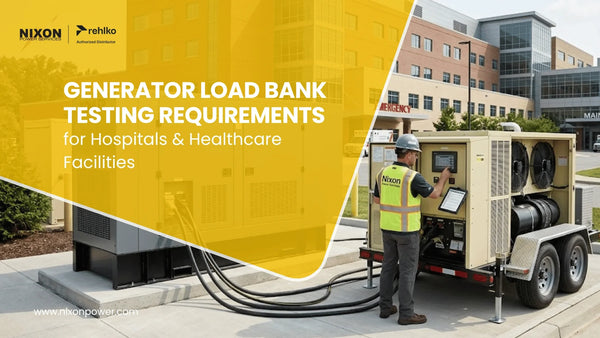
 EMERGENCY


The cost of installing a standby generator in Oklahoma depends on several factors, including generator size, electrical requirements, fuel type, site conditions, and installation complexity. Choosing the right system starts with understanding what your home needs and what factors influence the overall investment. This guide walks through generator sizing, permits, placement requirements, and budgeting considerations so Oklahoma homeowners can plan their installation with confidence.
Why Oklahoma Homeowners Need Standby Power Before the Next Storm Season
Ice storms, tornadoes, and severe thunderstorms can create challenging conditions for Oklahoma homeowners who rely on consistent electricity. Oklahoma power outages don't follow a schedule. A late-winter ice event can pull power for days, and tornado season adds an entirely separate threat window. Waiting until the grid fails to think about a standby system is already too late.
Rehlko generators, the brand formerly known as Kohler Energy before its September 2024 rebrand, are built specifically for energy resilience in conditions like these. Nixon Power Services is an authorized Rehlko distributor operating across a 14-state territory that includes Oklahoma. This checklist covers the four decisions every Oklahoma homeowner needs to make: sizing, permitting, siting, and cost.

Step 1. Determine the Right Standby Generator Size for Your Home
The first question is not 'which unit?' but 'how much of the home do you need to power?'
Partial-home backup covers critical circuits only: the refrigerator, well pump, a few lights, and the HVAC. Whole-house backup keeps everything running as if the grid never went down. That distinction drives kW sizing more than anything else.
NEC Article 702 provides requirements for optional standby systems, including equipment installation and sizing considerations. Many local AHJs require load calculations as part of the permitting process. A licensed electrician works through every circuit, calculates demand, and determines the minimum kW rating your installation needs. Skipping this step doesn't save time; it causes the AHJ to reject the permit application.
For standby generator sizing in Oklahoma, where HVAC loads run high in summer, load management devices are worth understanding. They can help manage demand across circuits when the generator is under load. In practice, this can allow a smaller unit to handle a larger home's needs, which may reduce equipment cost without reducing coverage. A load management device can shift the sizing decision meaningfully.
Step 2. Understand Oklahoma Generator Permit Requirements
Generator installation requirements in Oklahoma depend on the local Authority Having Jurisdiction (AHJ), which is typically the city or county building department. Many jurisdictions require permits before a standby generator installation begins.
Depending on the project and location, permit applications may require information such as a site plan showing generator placement, fuel connection details, and electrical documentation. NEC Article 702 provides guidance for optional standby systems, while local AHJs determine the specific requirements for approval. Permit fees vary by municipality and project scope, so homeowners should confirm current costs with their local permitting authority before budgeting for installation.
Completing the permit process helps ensure the system meets applicable safety requirements and installation standards. Improper installation or failure to follow local codes may create safety concerns and could affect warranty coverage.
Step 3. Choose the Right Generator Location and Meet NFPA 37 Requirements
Site assessment determines where the generator can be safely installed. NFPA 37 provides clearance requirements for standby generators, while manufacturer guidelines and local codes determine the final installation requirements.
Many residential installations require proper clearance from combustible materials, walls, doors, and windows to reduce fire and exhaust risks. Some approved generator enclosures may allow reduced clearances under NFPA 37 provisions, but homeowners should confirm the requirements for their specific model before installation.
Beyond clearance, site planning should consider fuel source routing, exhaust direction, noise levels, property requirements, and whether a generator pad is needed for stable placement. These details are reviewed during the installation and permitting process with the local AHJ.
Step 4. Understand the Cost Factors Behind Standby Generator Installation
The total cost of a standby generator installation depends on several factors, including generator capacity, fuel type, electrical requirements, site conditions, and installation complexity.
|
Generator Type |
Typical Application |
Factors That Influence Cost |
|
Air-cooled standby generators |
Common residential backup applications |
Generator size, transfer switch selection, electrical upgrades, fuel connection, and installation requirements |
|
Liquid-cooled standby generators |
Larger homes or higher-demand applications |
Higher capacity needs, fuel infrastructure, electrical modifications, and more complex installation requirements |
The installation cost includes more than the generator unit and labor. Additional expenses may include permits, fuel connections, generator pad installation, transfer switch setup, and electrical work. Transfer switch requirements vary depending on the home's backup power needs.
Nixon Power Services provides customized quotes because every installation depends on site conditions, load requirements, equipment selection, and system configuration. This ensures homeowners receive a solution based on their specific power needs.
Certified Installation and Ongoing Service: What to Expect from Nixon Power Services
A standby generator connects to your home's electrical panel, your fuel source, and in many cases your utility company's metering infrastructure. That scope requires a licensed electrician for the electrical work and, where a gas line is involved, a licensed plumber for the fuel connection. Factory-certified means the technician has been trained specifically on Rehlko equipment, not just generators in general. That distinction matters for warranty compliance and for getting the automatic transfer switch programmed correctly.
Nixon Power Services maintains a 24/7 emergency service line at 888-826-4966. After a tornado or ice storm hits, that line connects to factory-trained technicians who can dispatch quickly across the 14-state territory. Post-storm response is exactly when a maintenance plan and an established service relationship pay off.
For municipalities and government entities, Nixon Power Services is an approved vendor under the Sourcewell cooperative purchasing program. Sourcewell contracts let qualifying organizations bypass the public bidding process, which can compress procurement timelines considerably.
The bottom line on Oklahoma standby generator cost: this is a long-term infrastructure investment. The right unit, correctly sized, permitted to local regulations, sited to NFPA 37 standards, and installed by a licensed electrician, will serve reliably for years. A customized quote from an authorized Rehlko distributor is the right starting point. Contact Nixon Power Services to begin that conversation.